www.baader-observatories.com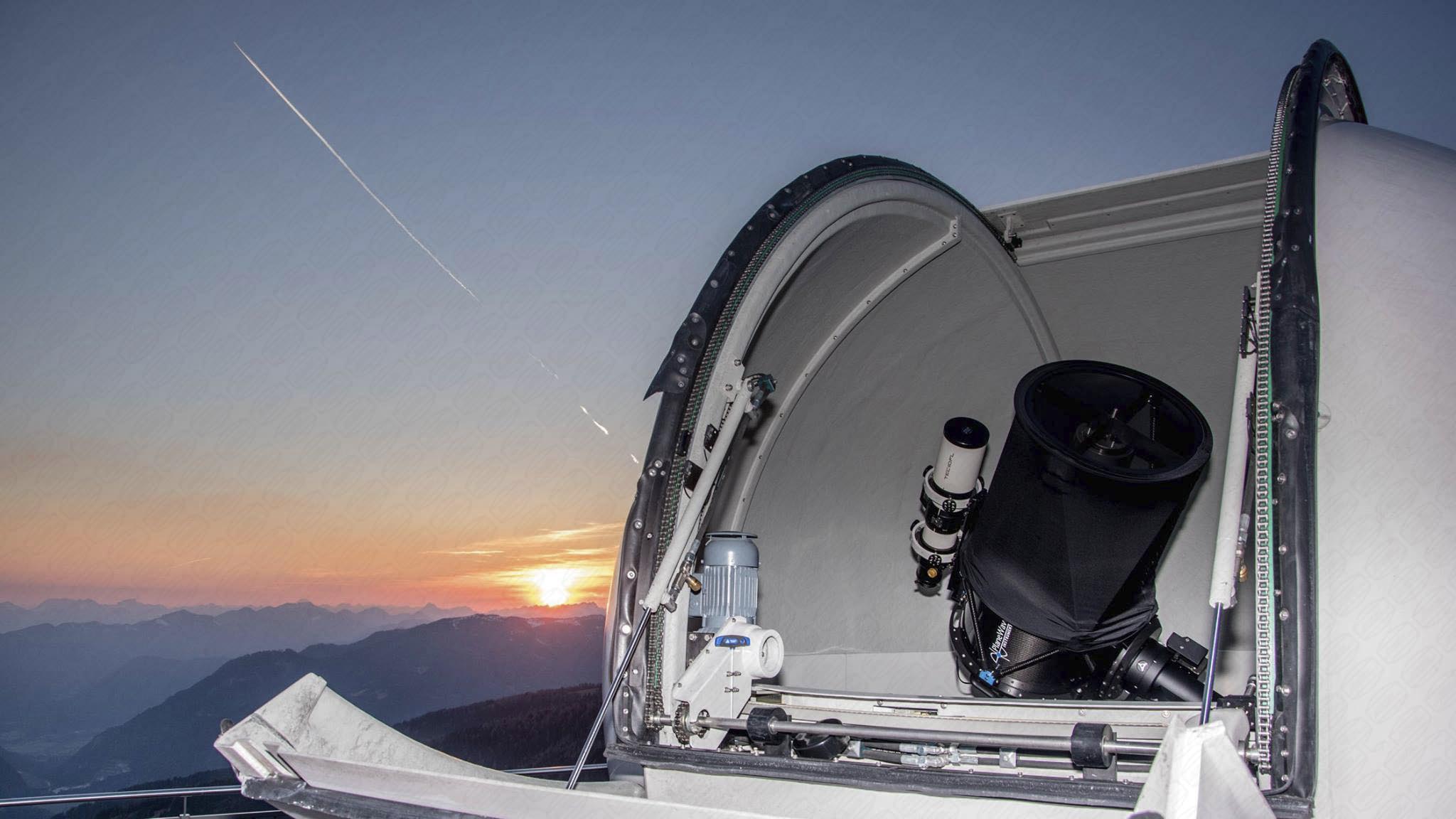

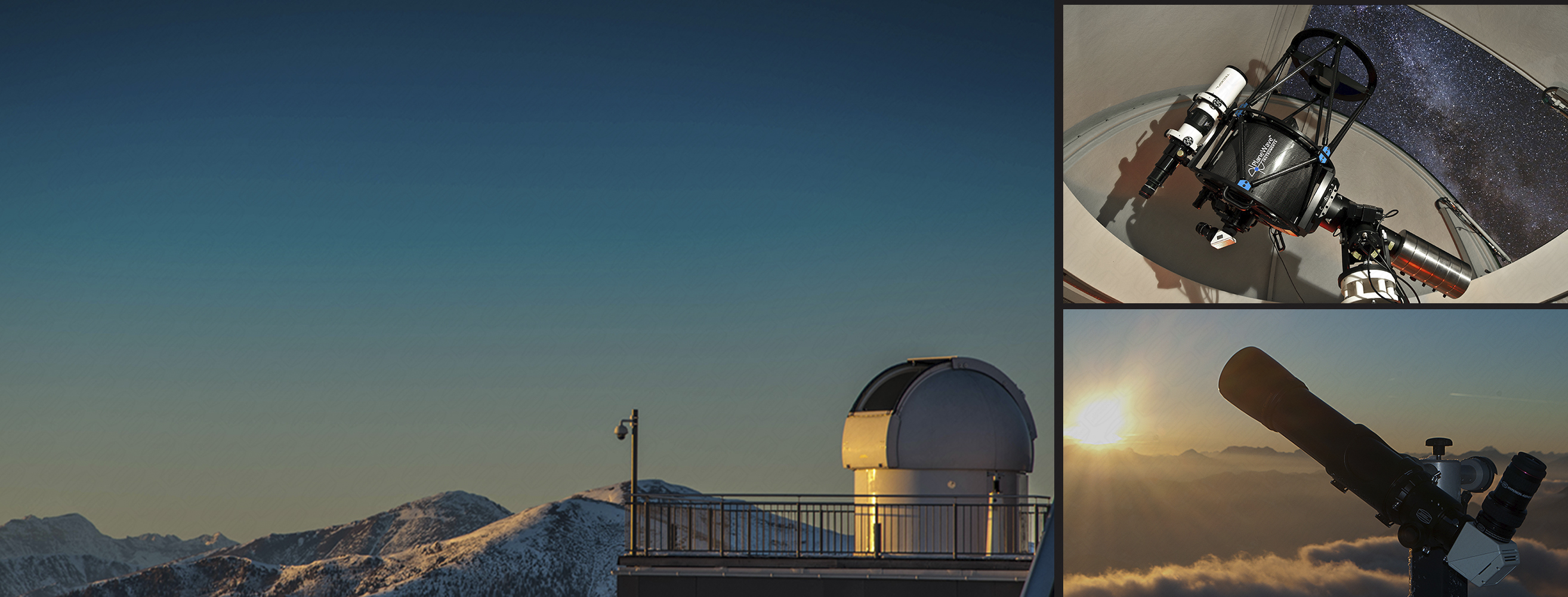
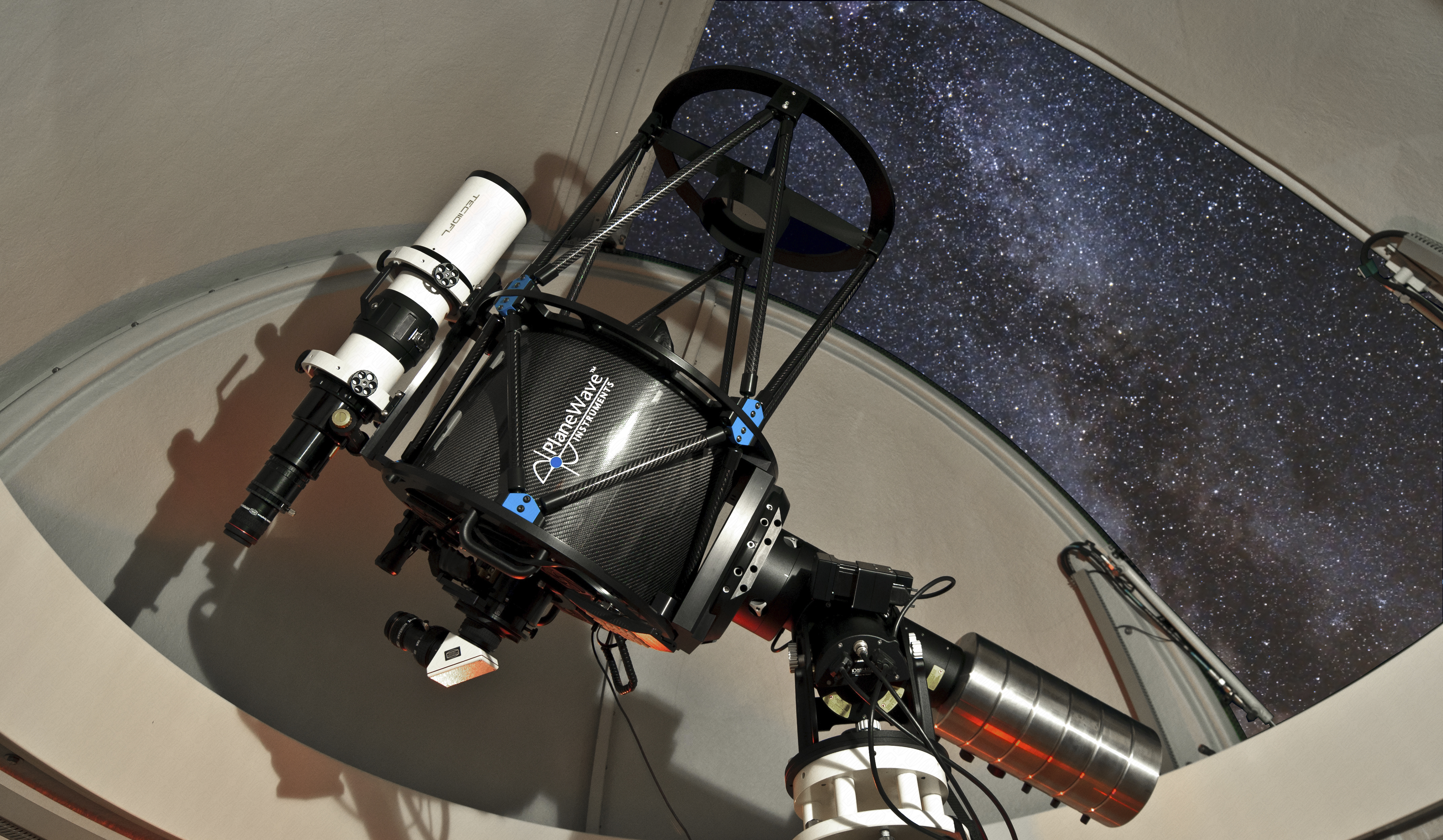
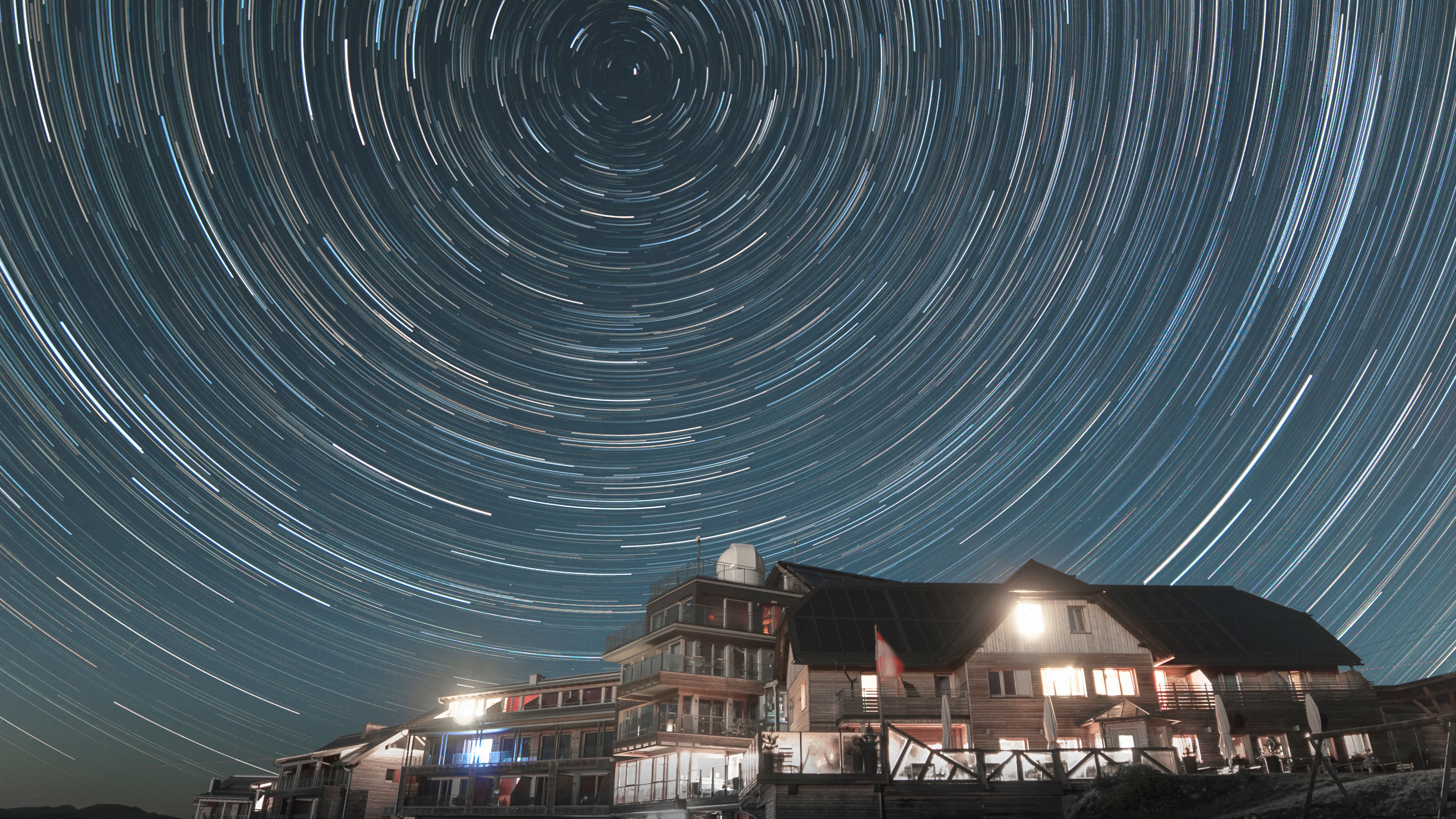
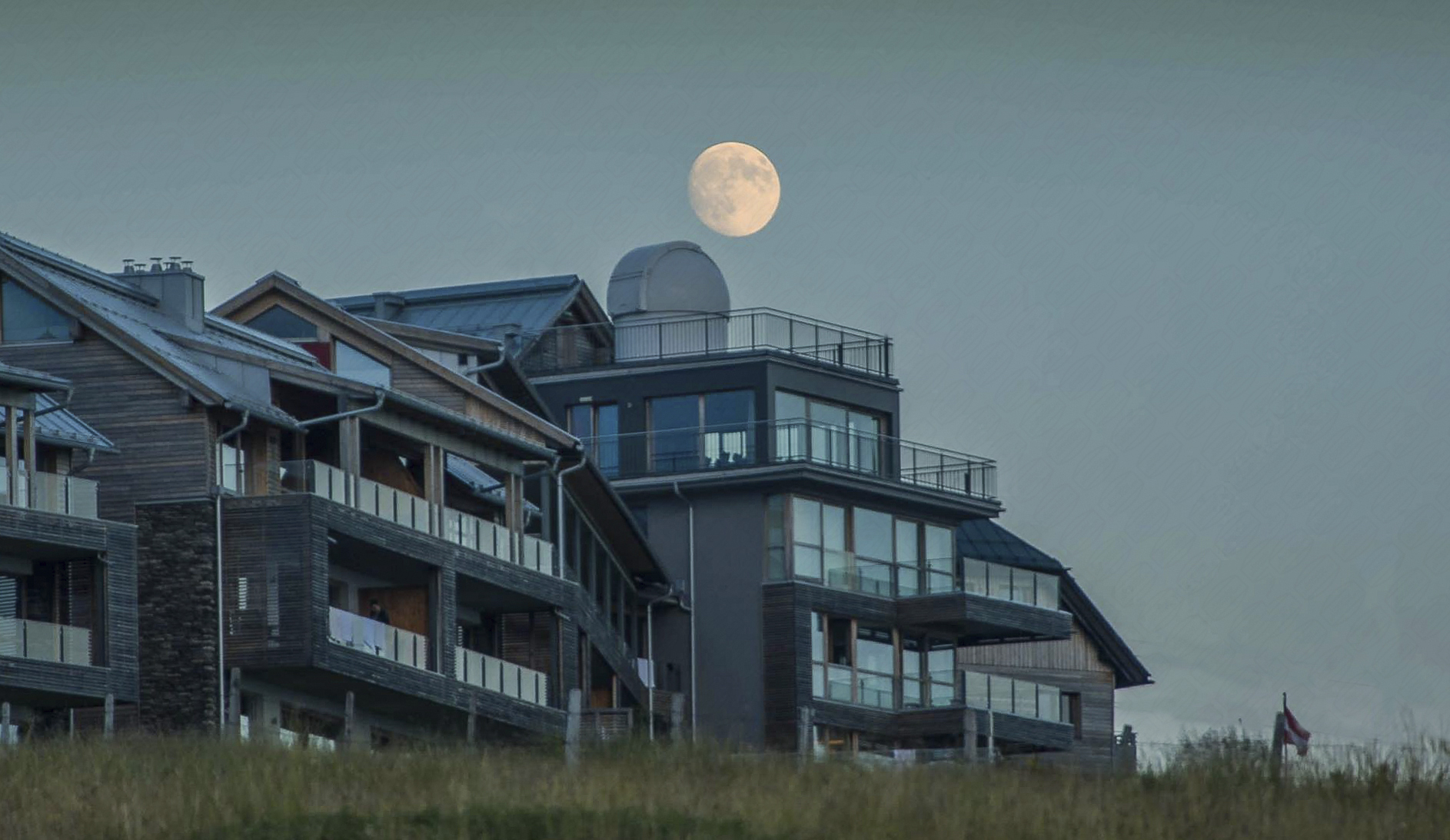
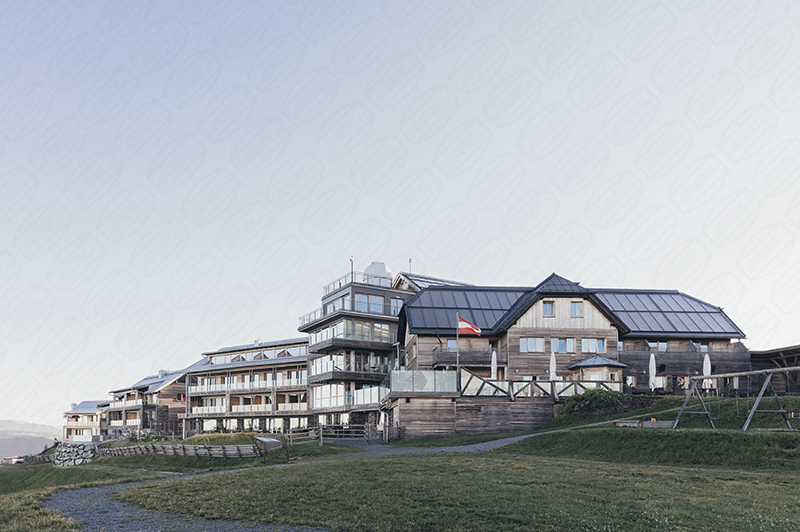
Even in the planning phase of our 4-star Alpine Hotel Pacheiner, it was clear to us that an observatory had to be included as a special attraction for our guests. Our choice fell on the 3.2 m Classic dome from Baader Planetarium, a PlaneWave CDK 17, and a TEC 110 on a 10Micron GM 200 HPS mount.
The installation on the roof of our hotel went smoothly and was carried out very professionally and on schedule under the project management of Michael Risch.
Guided tours take place regularly, both at night and during the day for solar observation. The observatory is also gladly rented by guests and astrophotographers outside the regular tour times.
The system has now been operating smoothly for many years, and we have not regretted the investment in and choice of the Baader Planetarium dome, including the state-of-the-art telescopes.
Test report on the quality of the GM 2000 HPS mount
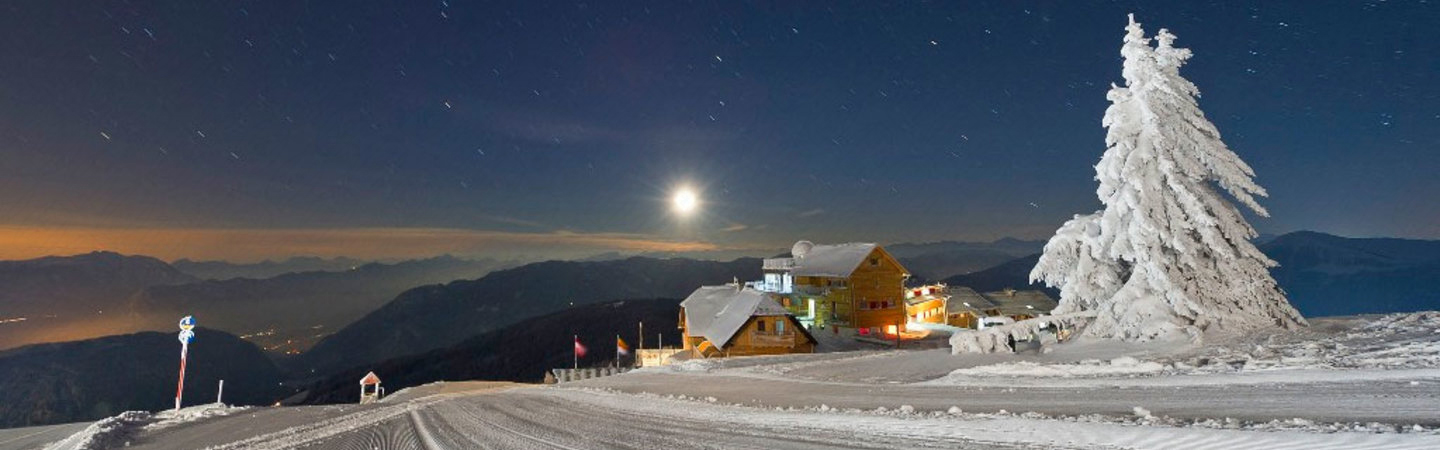
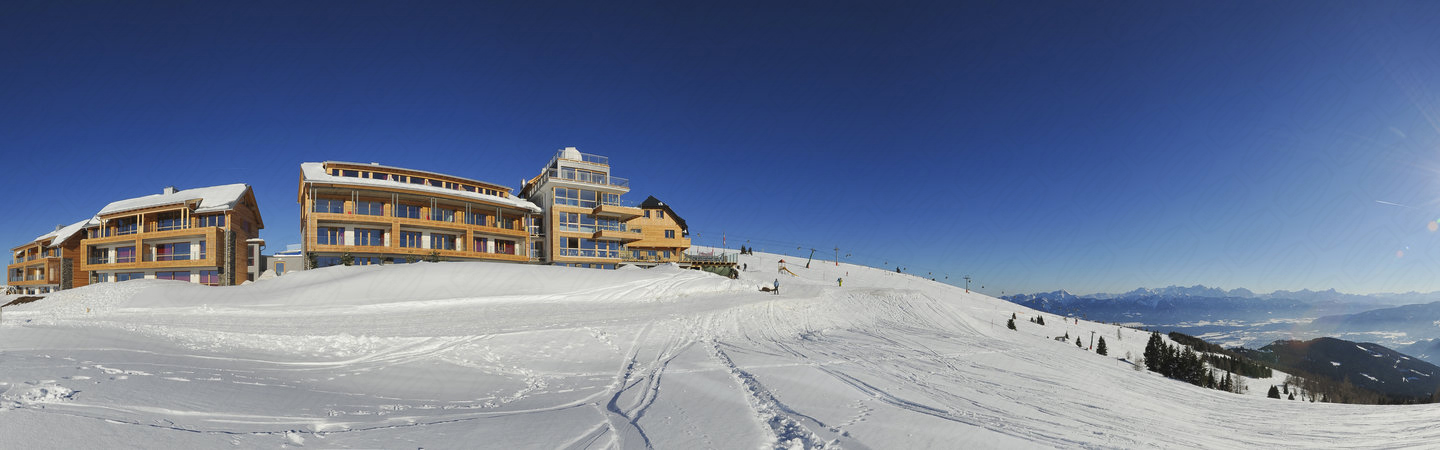
How do you give a hotel at 1900 m above sea level a personal touch? You build an observatory on the highest level, on a platform above a seminar room with space for 50 people. And of course, a special telescope and a special mount should be available there.
The choice fell on a PlaneWave CDK17, a TEC 110, and the mount, a 10Micron GM 2000 HPS. When I took over the management of the observatory, I, as a mechanical engineering technician, took a particular interest in this mount. What is it really capable of under these conditions? In summer, temperatures are a pleasant maximum of 20 degrees, but in winter it can reach -25 degrees or more. When the system was installed in spring 2013, it was of course also polar aligned. But time was pressing, and as it turned out, it was sufficient for visual observation, but I also wanted to use it for photography. The observatory was built primarily for observing for the guests.
The menu structure and operation of the hand controller are intuitive and clearly arranged. Coupling it with the dome was completed in just a few steps. The position of the telescopes and the mount in the dome was entered into the hand controller. The dome moves to the perfect position and the telescope always has a clear view of the night sky. The comet, asteroid, and satellite database can be updated in just a few steps. The links for downloading the data can be found in the manual.
But now to the astrophotos I wanted. One can expose for 12–15 minutes without autoguiding at a focal length of 2940 mm on the CDK 17. On the TEC 110, 20 minutes are realistic. Longer exposure times are possible, but not when the CDK17 and the TEC110 bring the mount to its load limit. The prerequisite is a perfect polar alignment and an alignment with at least 25 stars. The Model Maker program by Per Frejval certainly brings a bit more accuracy. But I am satisfied with the current alignment. A 12-minute continuous exposure with the PlaneWave CDK without autoguiding is enough for me. With active dual tracking, you do not hear any correction noise from the motors. Proof of a very good polar alignment. Presumably due to the high weight of the telescopes, however, it is necessary to adapt the tracking by means of tracking correction. If the telescope is pointed to the east, I set the correction value to -0.040%. When the telescope is in the west, I reduce the value to -0.010%. Everything is described in detail in the manual.
The image shows M81 as an unprocessed raw image with a 12-minute exposure. Taken with the PlaneWave CDK17 at 2940 mm focal length with a Nikon D5500 DSLR. Of course, autoguiding is possible without any problem. But when I want to take photos after a guided tour in the observatory, the camera goes onto the focuser, focus, and off you go. The workmanship and the technical details can be found on the Baader Planetarium product page or in the customer review by Rolf Geissinger. The mount can of course also be controlled remotely. If a guest rents the observatory for one night, they can monitor their imaging session from the hotel room. I am absolutely satisfied with the GM 2000 HPS. Although the GM 4000 HPS would certainly be even better suited for us. But who knows. Maybe one day we will do an upgrade.