www.baader-observatories.com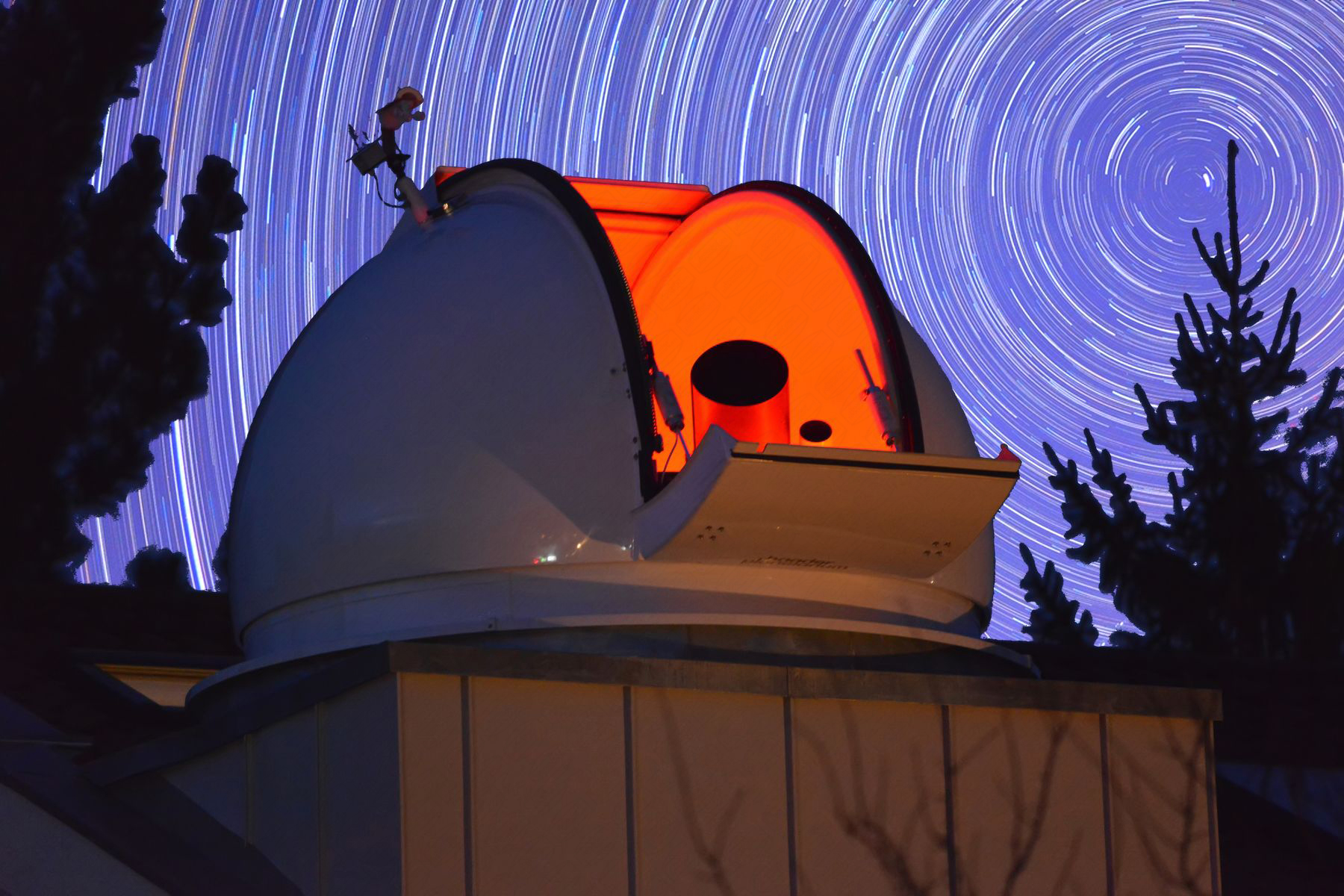
The observatory is mainly used for deep-sky photography.
Over the past year I was able to present a considerable collection of deep-sky images on astrobin.com:
https://www.astrobin.com/users/equinoxx/
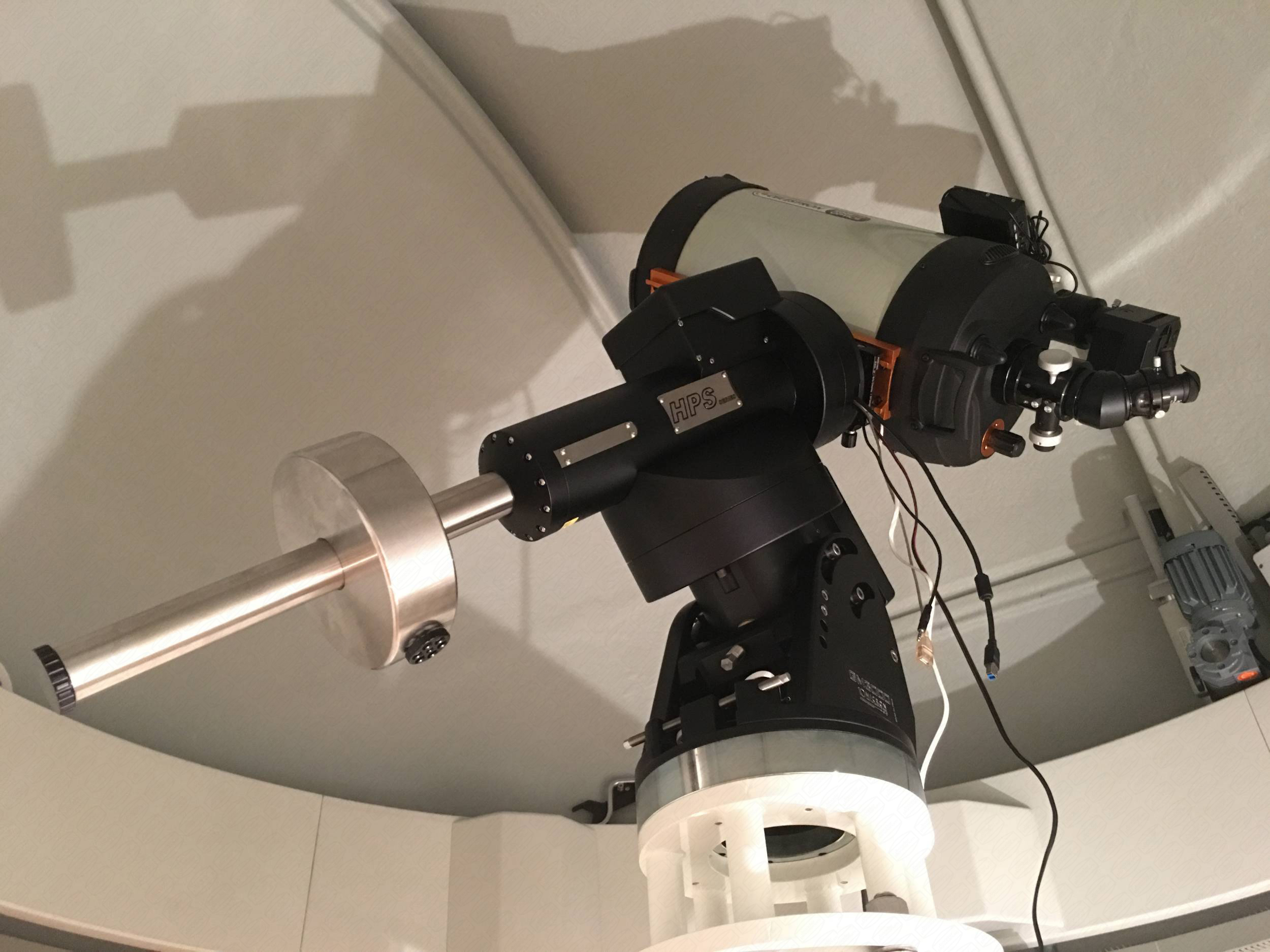
“The stability of the entire construction is remarkable. During observation with a Baader Microguide eyepiece on the C11, I touched the sand-filled pier, knocked on it, and leaned against it. The image in the eyepiece could not be shaken by anything!”
But simply continue reading in the detailed reports about the observatory:
 28. November 2017:
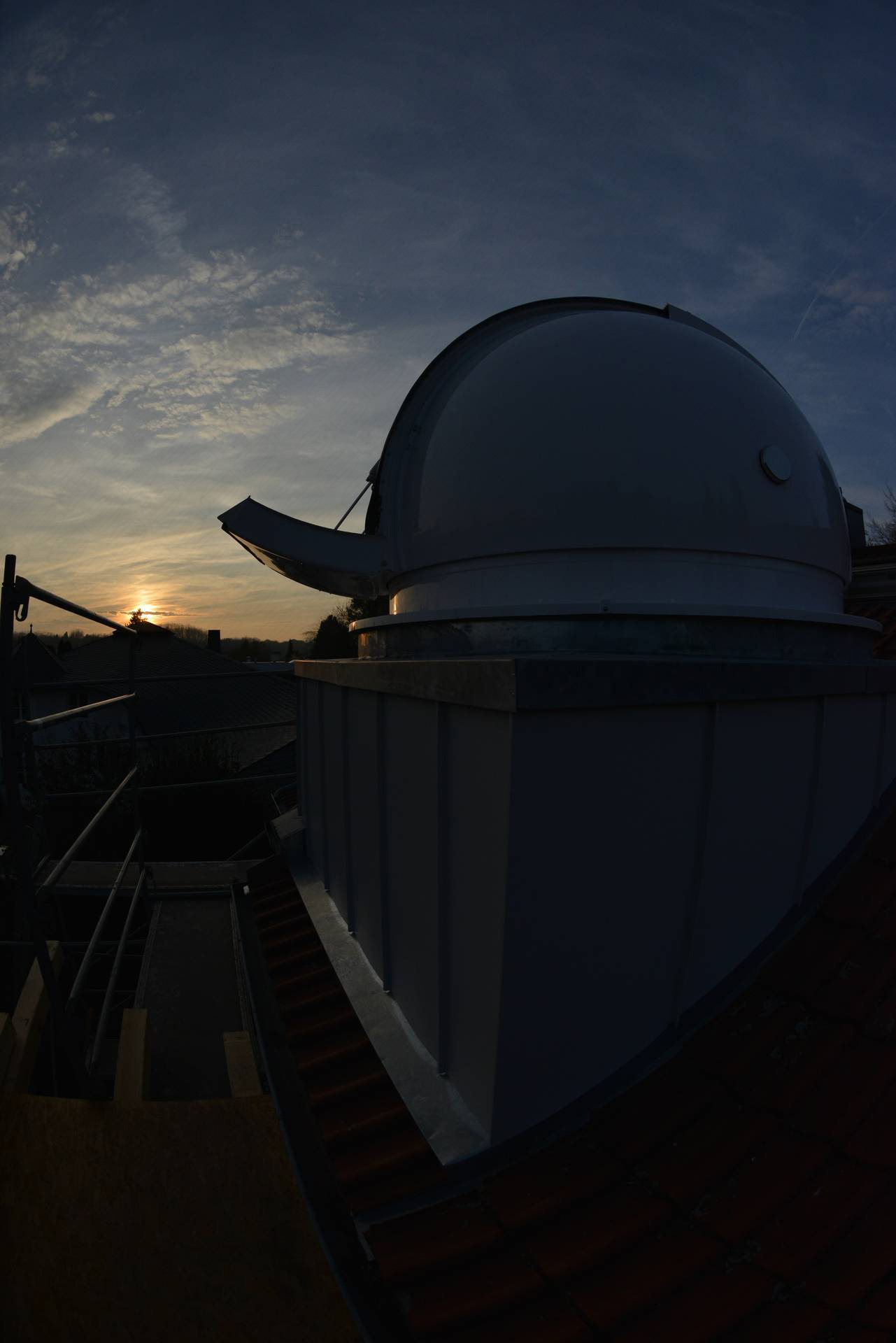
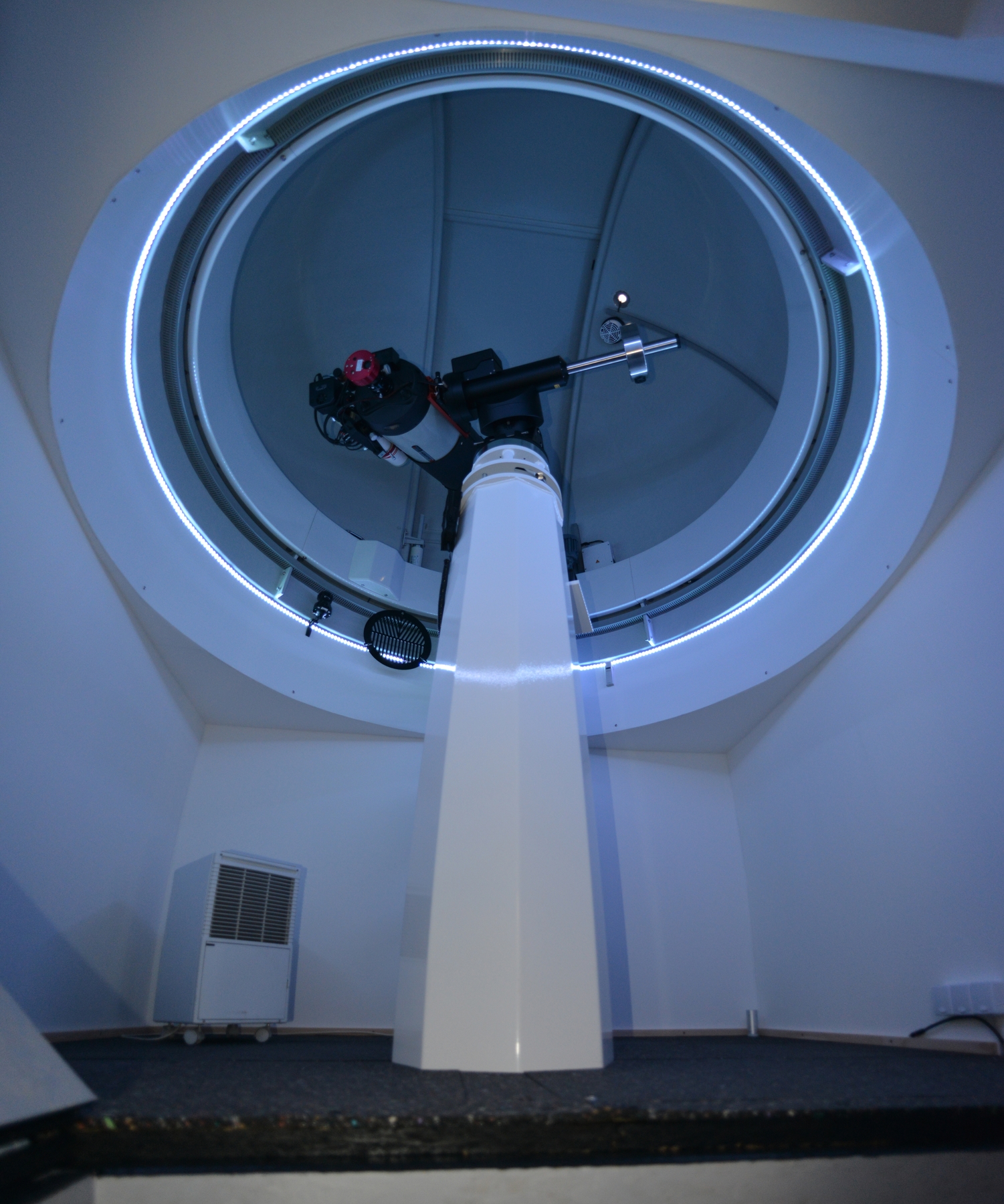
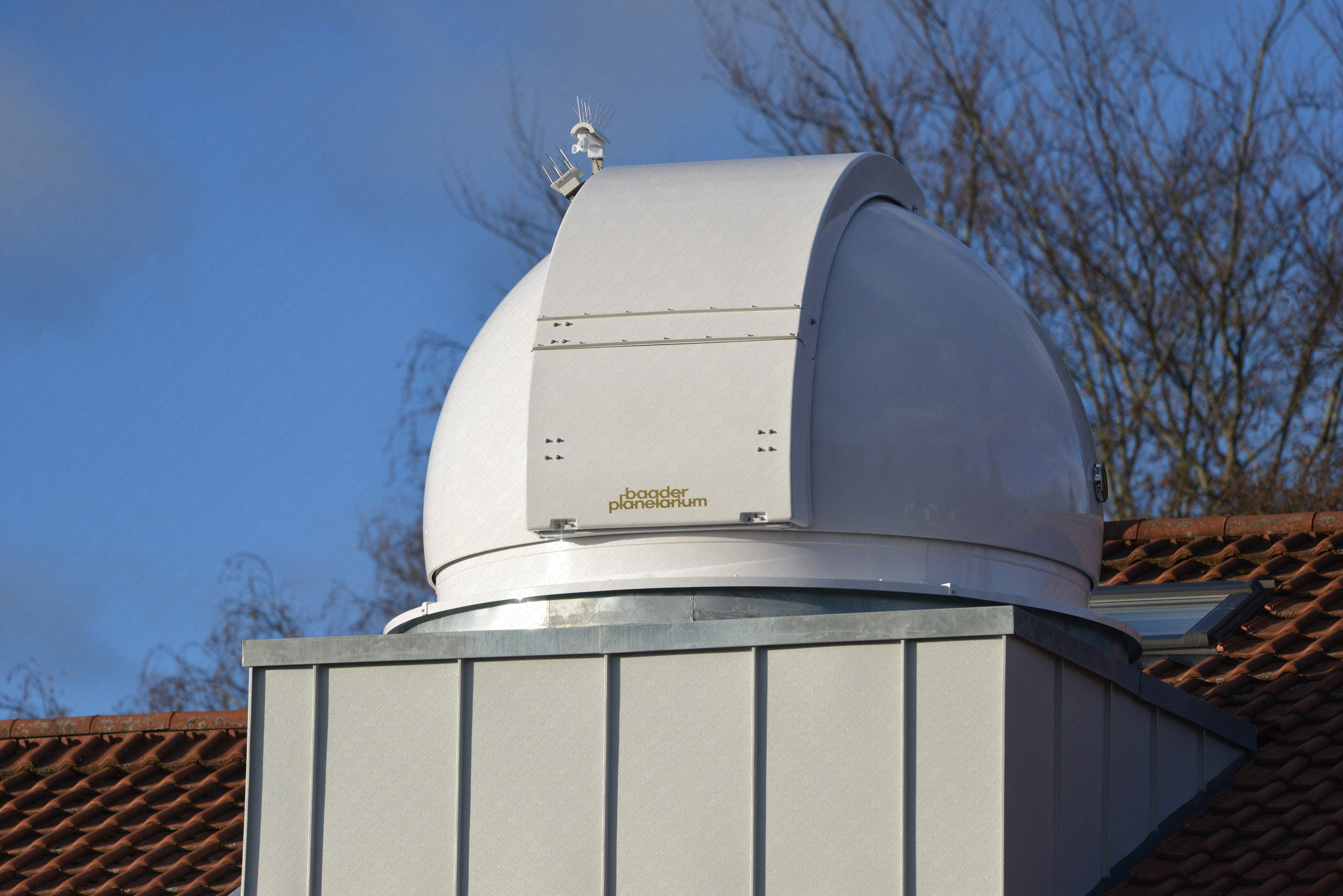
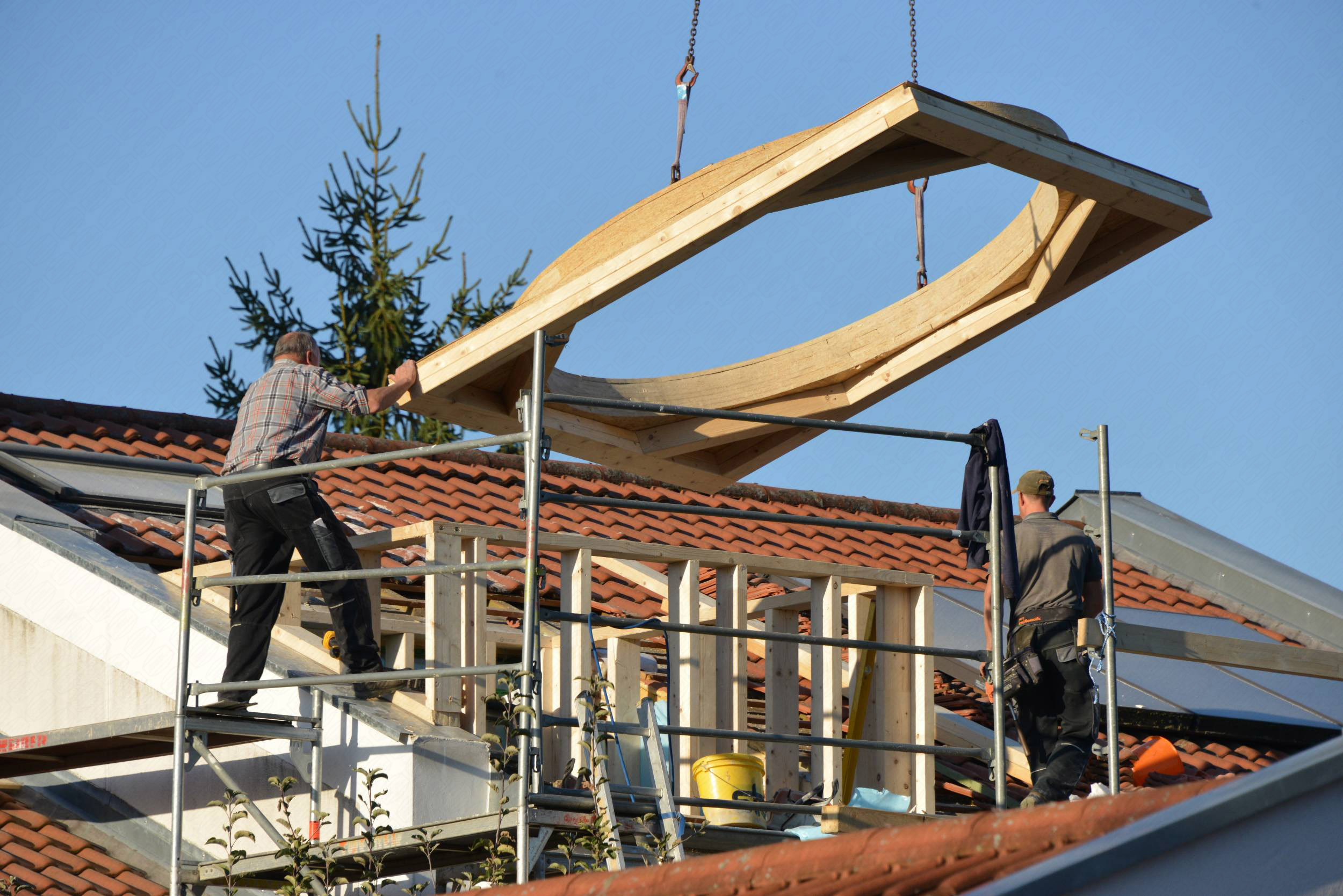
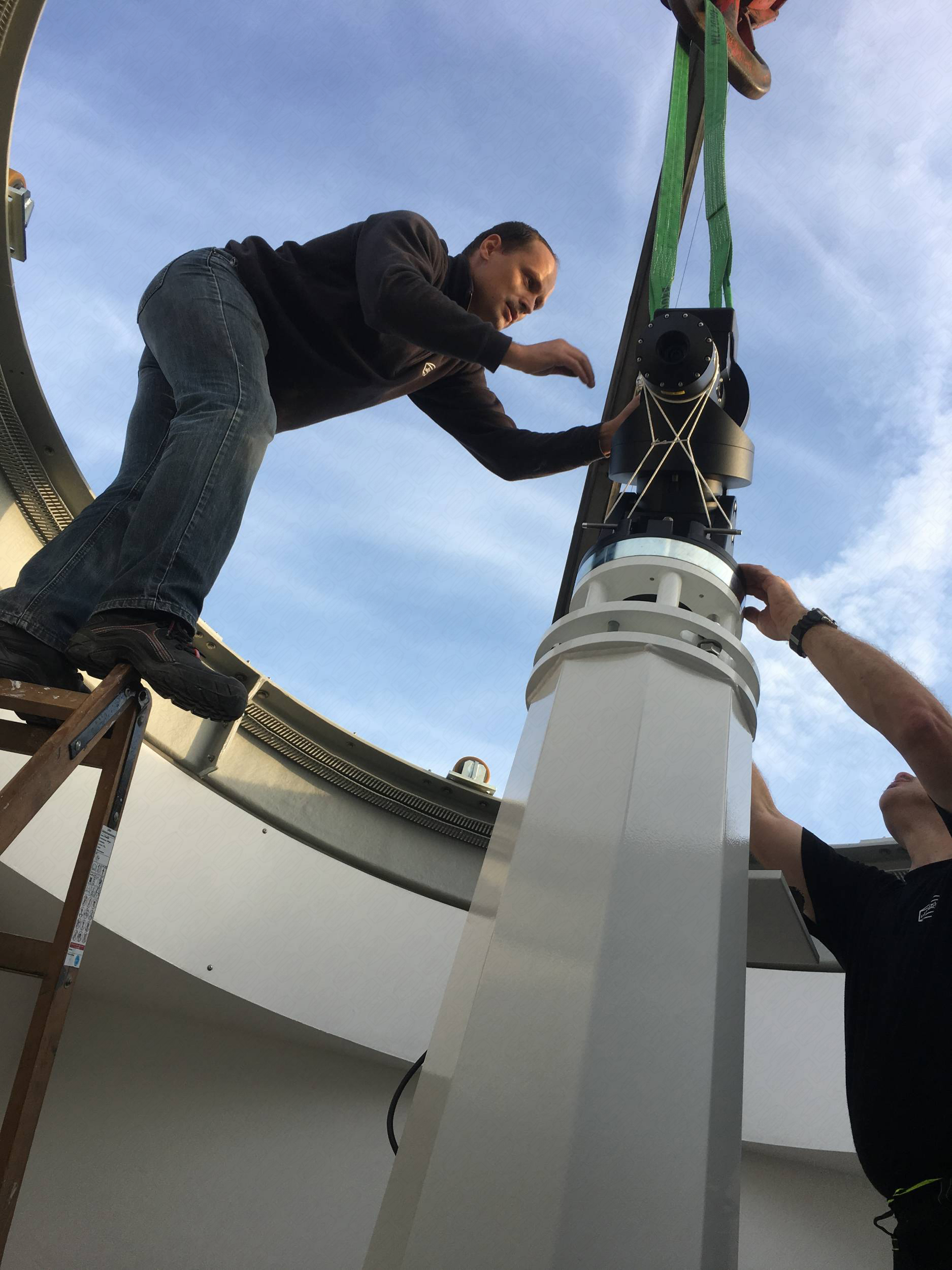
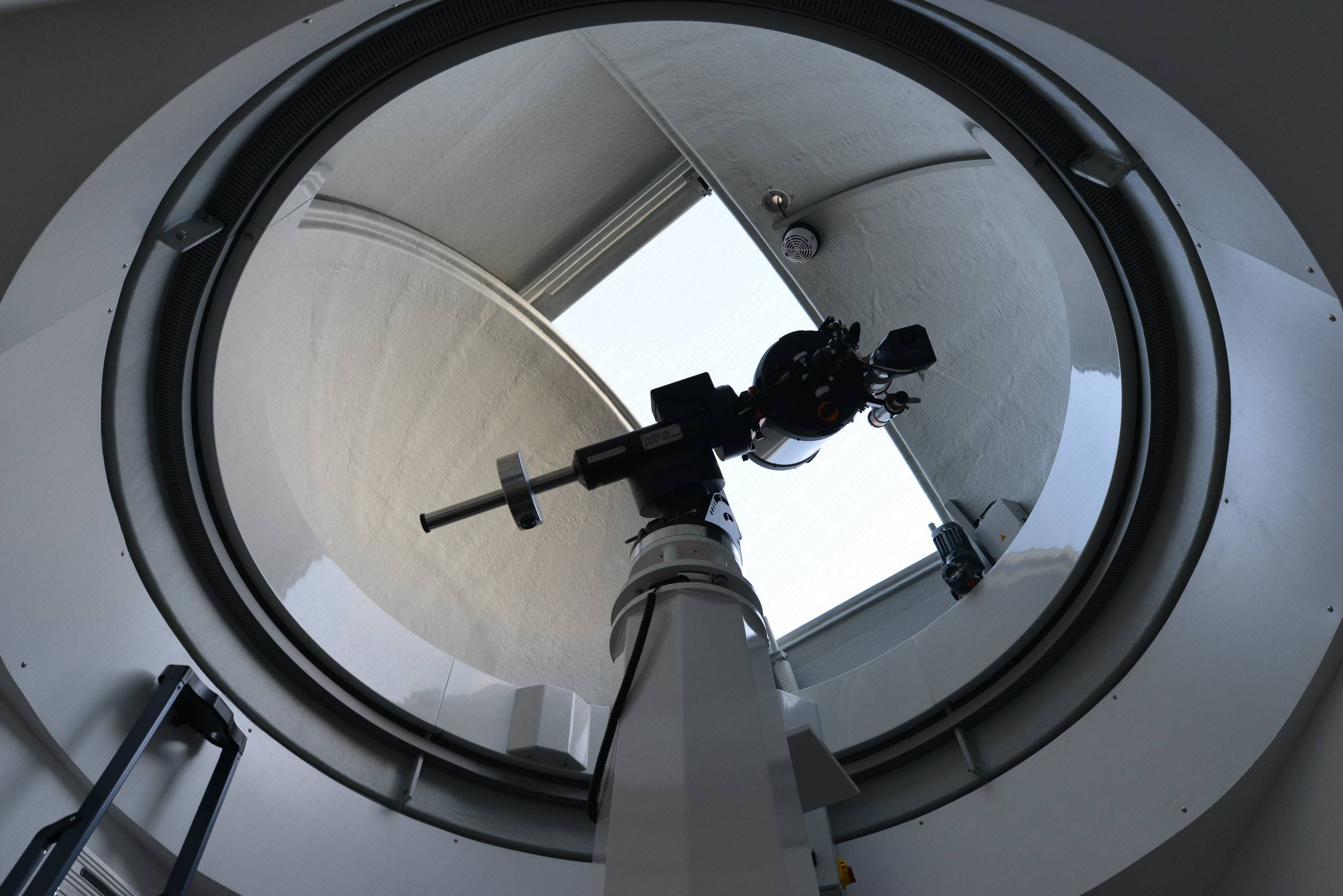
Photo report on the 2.6 m Baader Classic Dome (ECO version) private observatory
 22. März 2018:
First Light: 2.6 m Baader Classic Dome in Ingolstadt delivers the first astrophotos
With the construction of the observatory, a dream has come true for me. I would like to once again extend my sincere thanks to everyone involved.
Mai 2021:
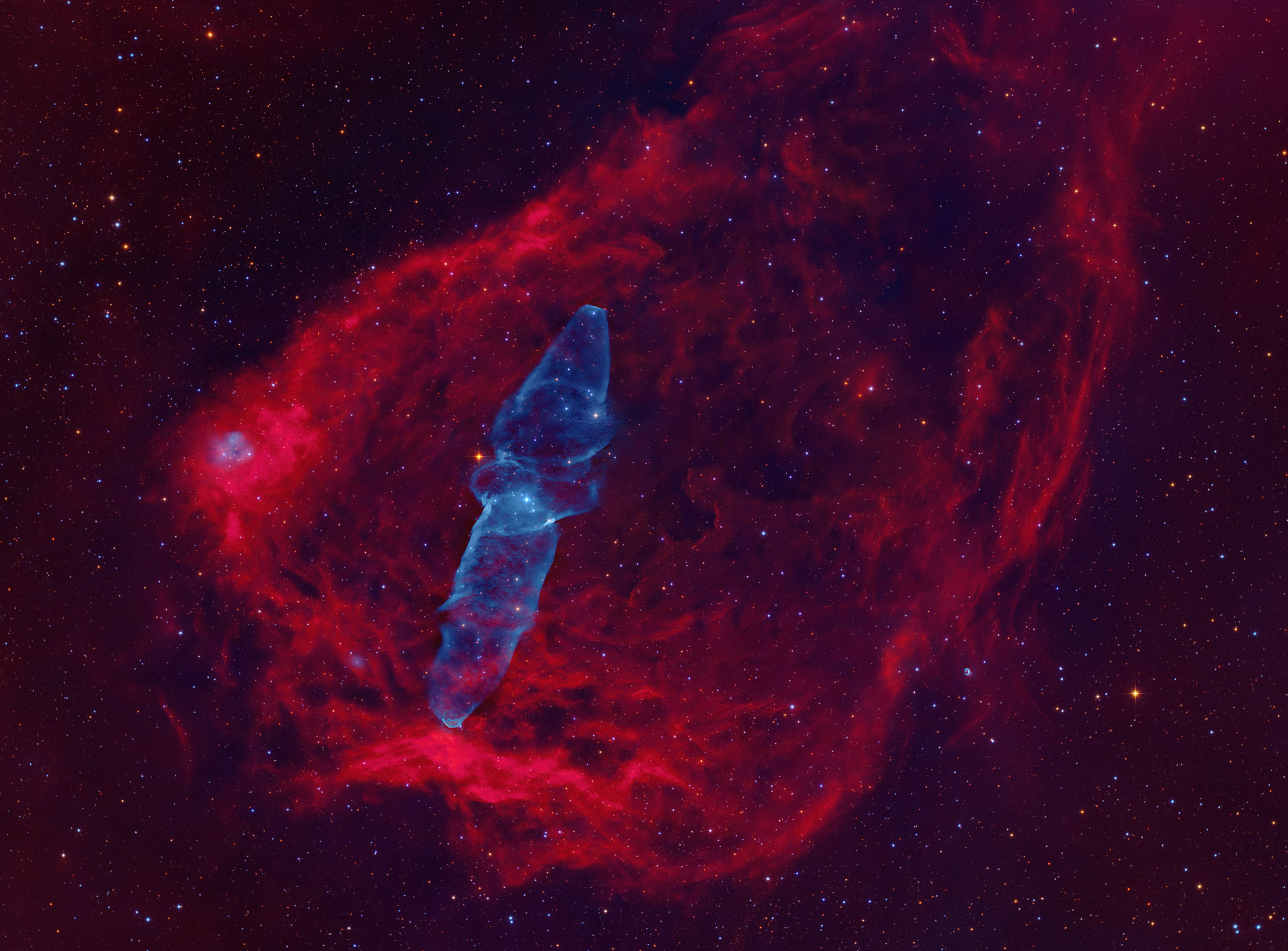
Ou4 an Sh2.129, taken with Baader H-alpha and O-III ULTRA-Highspeed Filter
© Andreas Bringmann
End of CoVid in sight - a vial from heaven shows the way
At the feet of the Aithiopian King Cepheus (Latin Cepheus), one of the well-known constellations of the northern sky, lies - at a distance of 1300 light years - Sh2-129, a faint red hydrogen emission region of type HII. This red nebula holds a mysterious object for us, an elongated blue bubble officially designated Ou4. The blue light from Ou4 took 2300 years to reach Earth and shines through the red hand.
To us, a pandemic-stricken mankind, the heavenly combination of Sh2-129 and Ou4 reminds us of a cosmic hand that offers to all of us a CoVid vaccine vial. One could even identify the thumb-nail and fingers, when concentrating on image detail.
The blue nebula, which glows only in the OIII spectral line It is so very faint that only as recently as 2011 it was discovered by the French amateur astrophotographer Nicolas Outters! Originally, the object was called a bipolar planetary nebula. Recently, however, researchers came to the realization, that Ou4 is a spectacular outflow of material, driven by HR8119, a triple system of hot, massive stars seen near the center of the blue nebula. Incidentally, its extent in the sky is about 2.5 times the diameter of the full moon. This means that this truly gigantic CoVid vial has a diameter of almost 50 light-years!
Astrophotographers will face extreme challenges. Already Sh2-129, the cosmic hand, is one of the faintest objects in the sky. In order to image the blue CoVid vial it is not enough just to increase the exposure time. One needs suitable extreme narrowband filters which block the visible spectrum completely and only show the OIII spectral line in a few nm wide window. But also special techniques of image processing are necessary, to bring out this much detail, otherwise Ou4 would just appear as a faint ghost in this image.