www.baader-observatories.com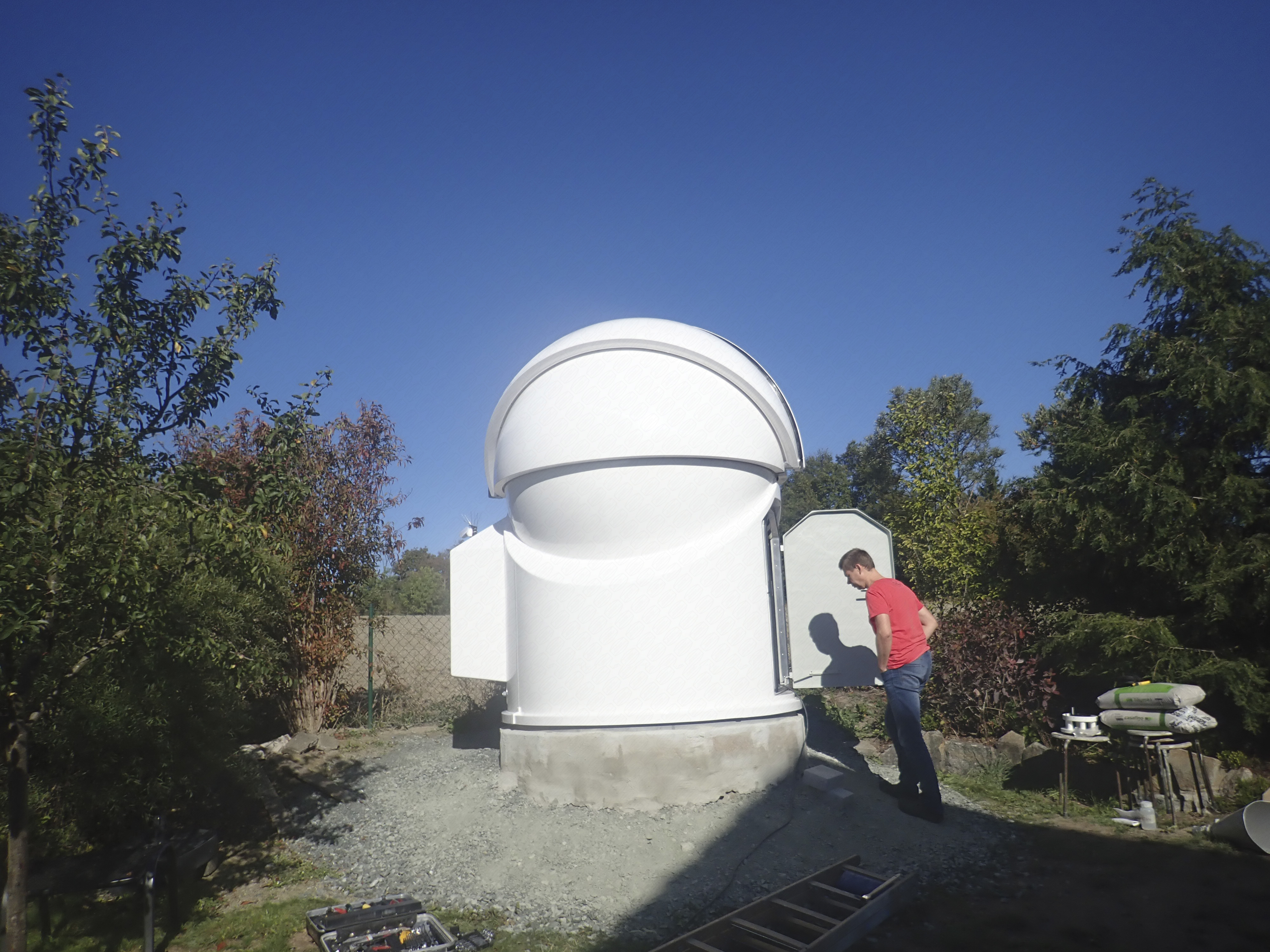
After I had already observed and photographed the Sun and comets very extensively in my early youth, comet observation receded into the background during my studies and in early adulthood. This changed again when the children grew older and more time for the hobby became available. With the purchase of the Celestron CGEM, comets also moved back into the foreground.
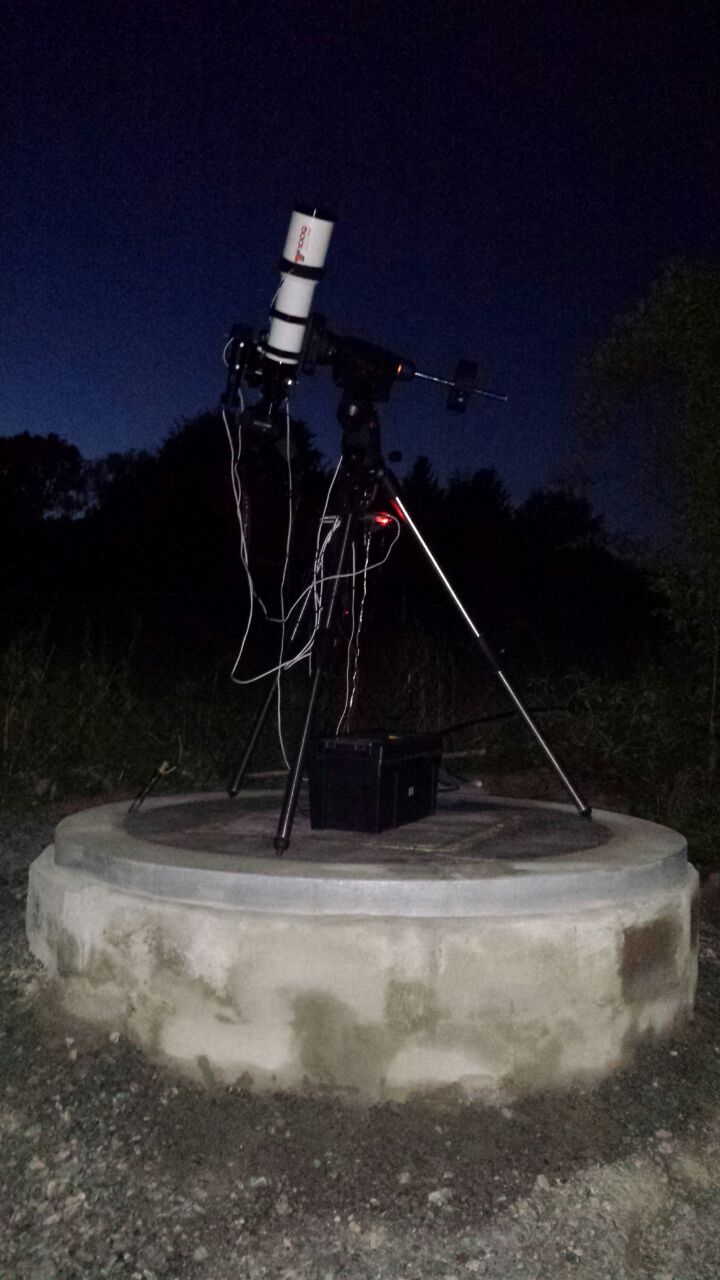
Observations were carried out in the garden at home, but even there it took almost an hour from setting up to the start of the photo series. Piece by piece the equipment had to be carried from the basement into the garden. In the morning everything also had to be dismantled again. A permanent observatory was needed. After all, I also wanted to catch comets when the weather clears the sky for only an hour.
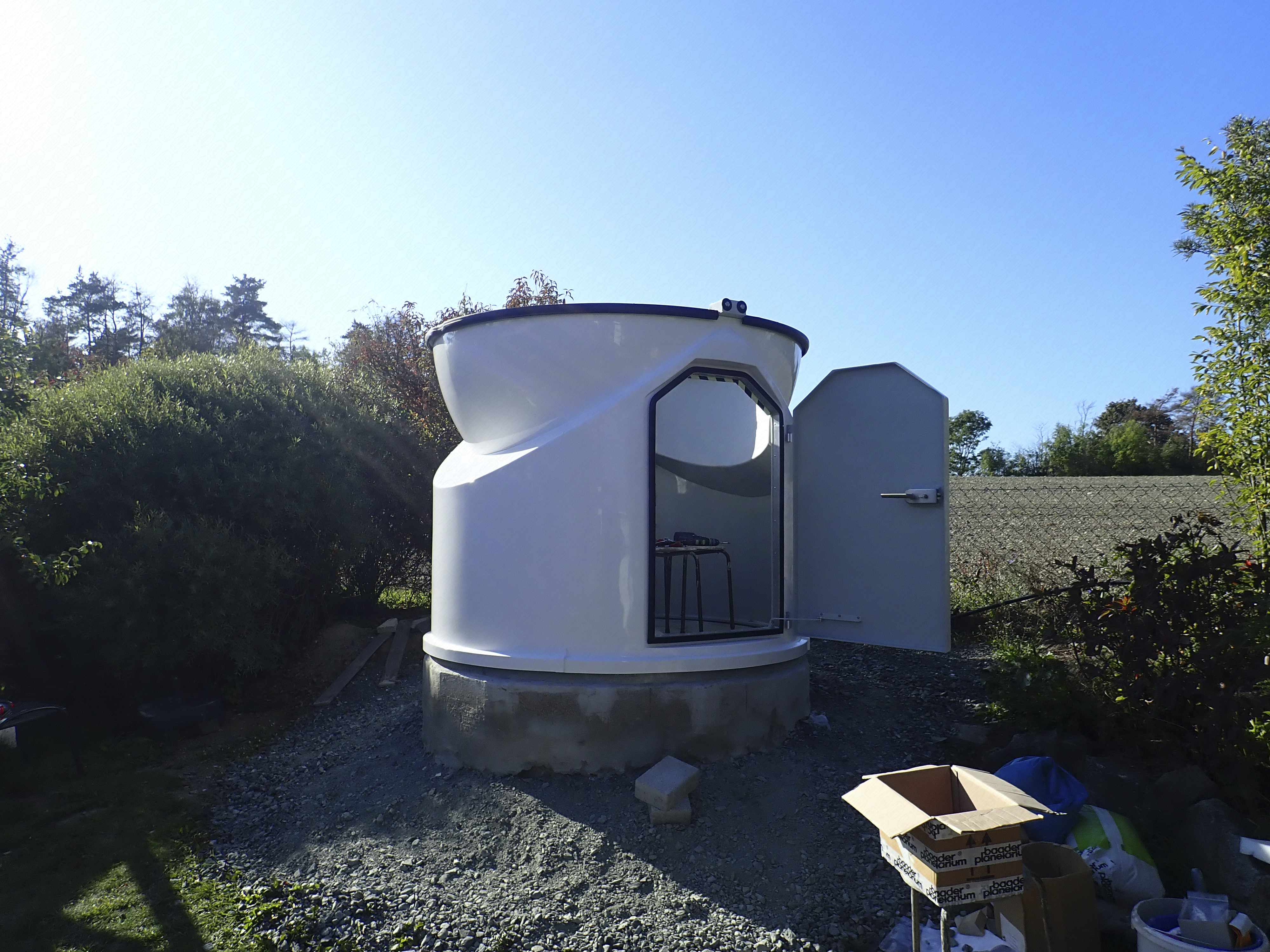
A roll-off roof solution was out of the question for my wife for aesthetic reasons. Eventually we discovered the AllSkyDome from Baader. After a phone call we were able to visit a test-assembled dome of the appropriate size in Mammendorf. The 2.3 m version is of course not huge – but that was not what we wanted anyway. The observatory should protect the technology and function reliably. So we decided to order the AllSkyDome in the 2.3 m version. During the planning phase I could always rely on the help of the employees of Baader Planetarium. Since unfortunately no construction company could be found that wanted to build the foundation, we finally did it ourselves in spring 2019. In order to get the upper part circular and precisely fitting, we ordered a galvanized steel ring from a metal fabricator. In summer I was already able to use the finished foundation as an elevated location for the mobile equipment.
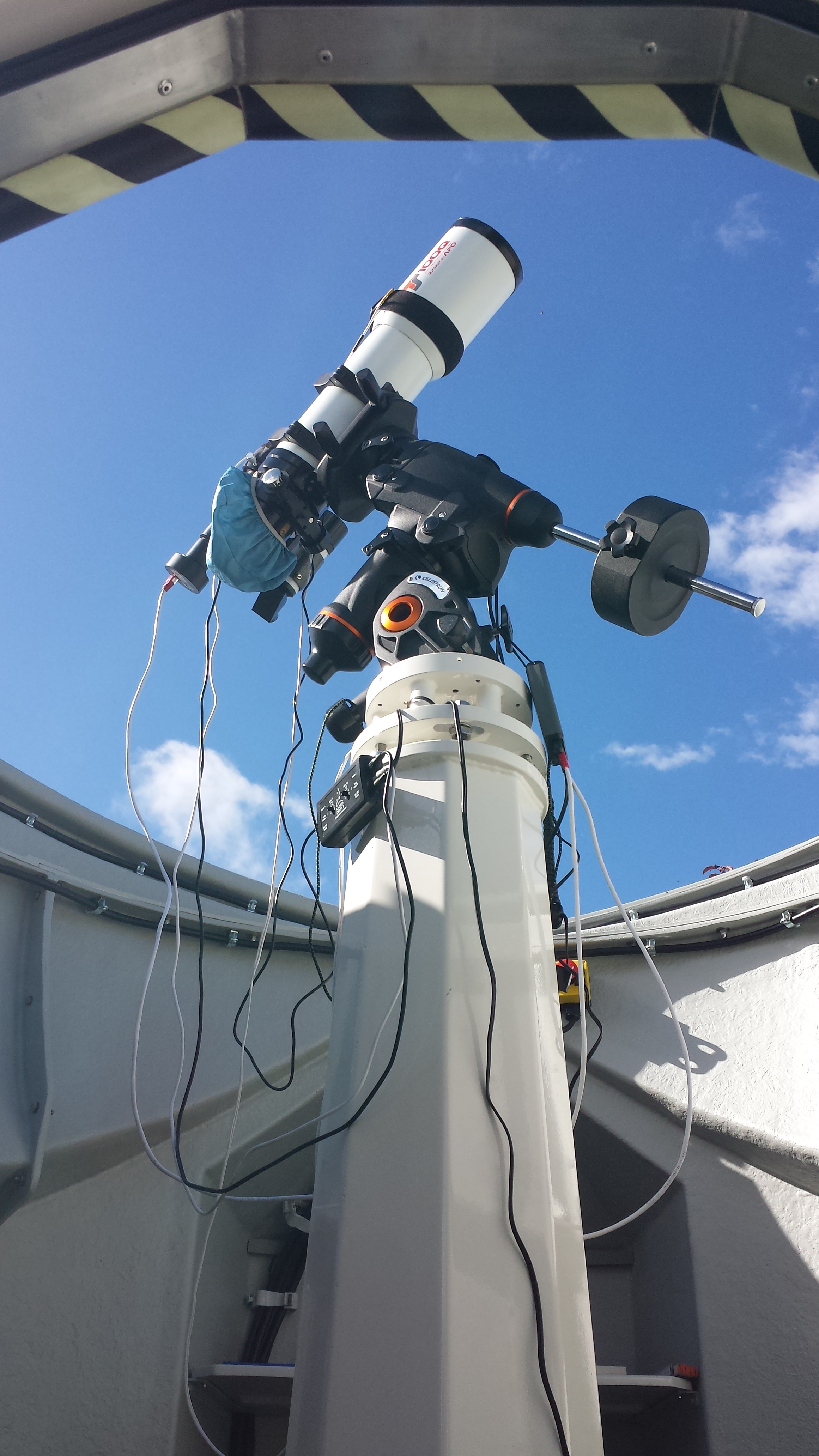
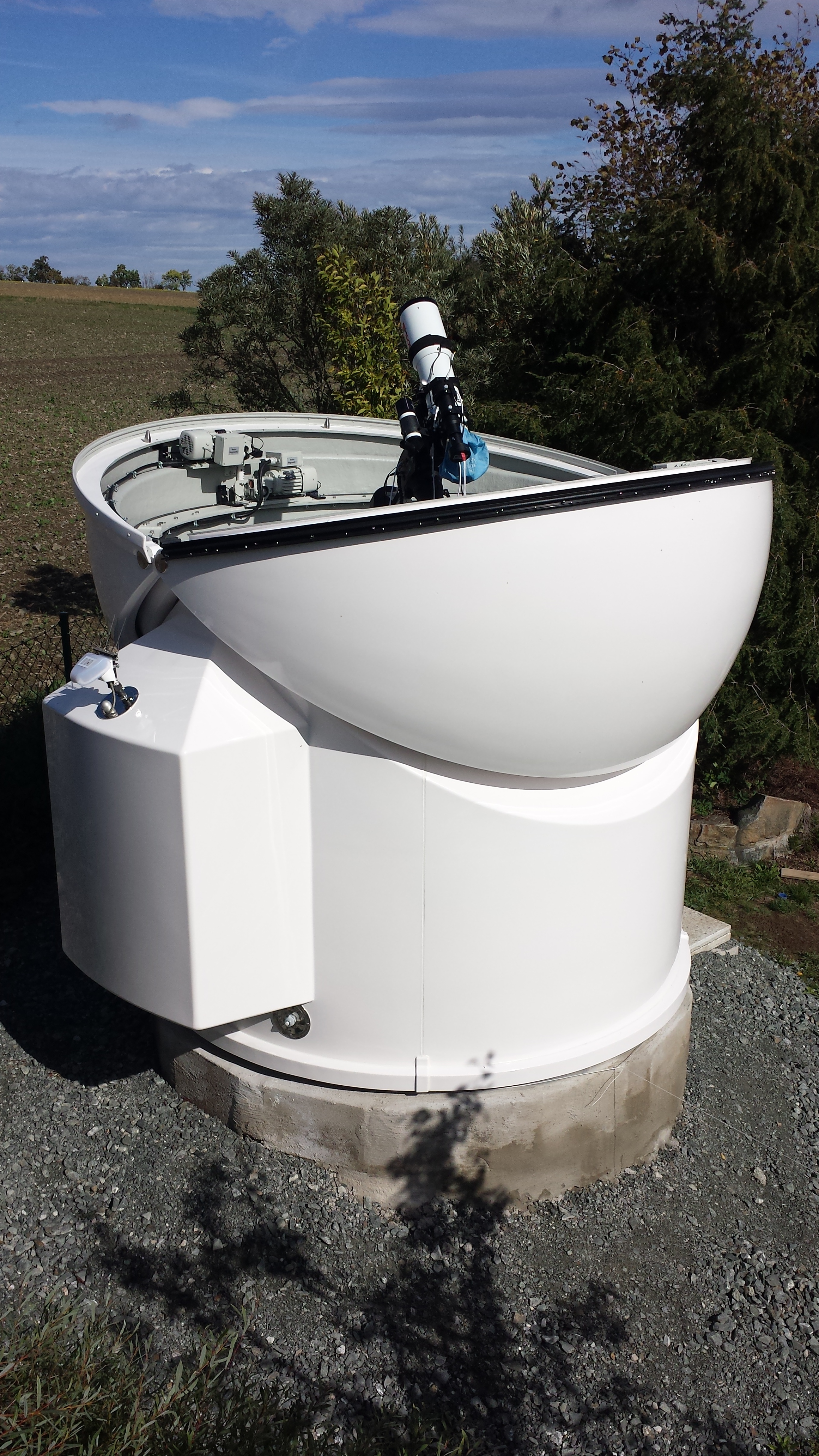
In September 2019 the time had finally come. The friendly installers from Baader arrived in the morning and carried the dome in individual parts into the garden. That naturally increased my anticipation even more. By the evening the dome already looked like an observatory. The next morning a few remaining tasks and the fastening of the column remained, then everything was finished! I waited another day until the column was firmly fixed on the base and then I carried the mount from the basement into the garden one last time. When placing it onto the column, however, an unexpected problem appeared. The screw of the altitude adjustment rested on the mounting plate. The reason is that as soon as possible I would like to upgrade to a larger mount (10Micron GM2000), and everything is already prepared for that. However, Baader Planetarium was able to help quickly and promptly sent me a shortened screw. With this I was able to mount my CGEM without any problems.
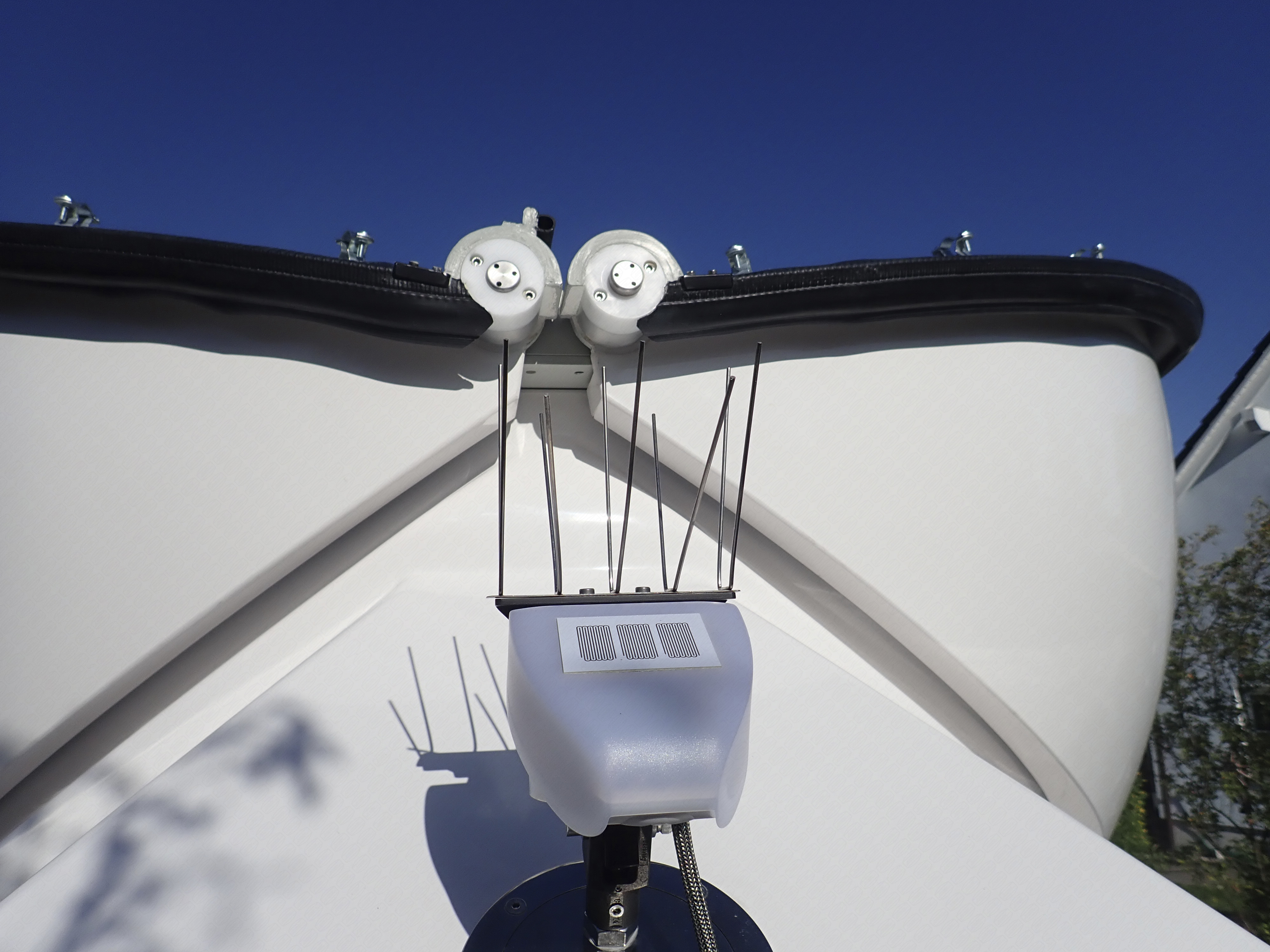
How nice it is when, in suitable weather, you simply go into the garden, open the four segments of the AllSkyDome with the remote control, and start observing. Even if rain clouds are approaching according to the weather forecast, I do not have to worry about the equipment. As soon as a drop falls on the rain sensor, the dome closes automatically. Even in weather situations with stronger wind gusts I have already been able to take photographs, because I simply raised the segments on the windward side. The number of observing nights used has increased greatly.
Of course my 2.3 m version is relatively small when you want to observe in a group. When visitors came to the observatory, however, I still found enough space even with three guests. We simply had to slide around the column in a line from time to time.
The only small drawback so far: in foggy November weather not only the dome condenses on the inside (that would not be a problem – drops fall into the interior only in small numbers when opening), but also the mount and the telescope. However, compared with other observatory solutions I lack experience. Perhaps I should have chosen the version with the dehumidifier? However, so far I have always been able to open the AllSkyDome early enough before observing so that the dew-covered telescope could dry sufficiently.
I would not want to be without my AllSkyDome anymore and I am already looking forward to the next upgrade stage with the 10Micron GM2000.